MIT museum / BRAIN Digital Content Open Call
TIDAL MIND
Samuel pietri
TIDAL MIND
mit museum / brain
TIDAL MIND
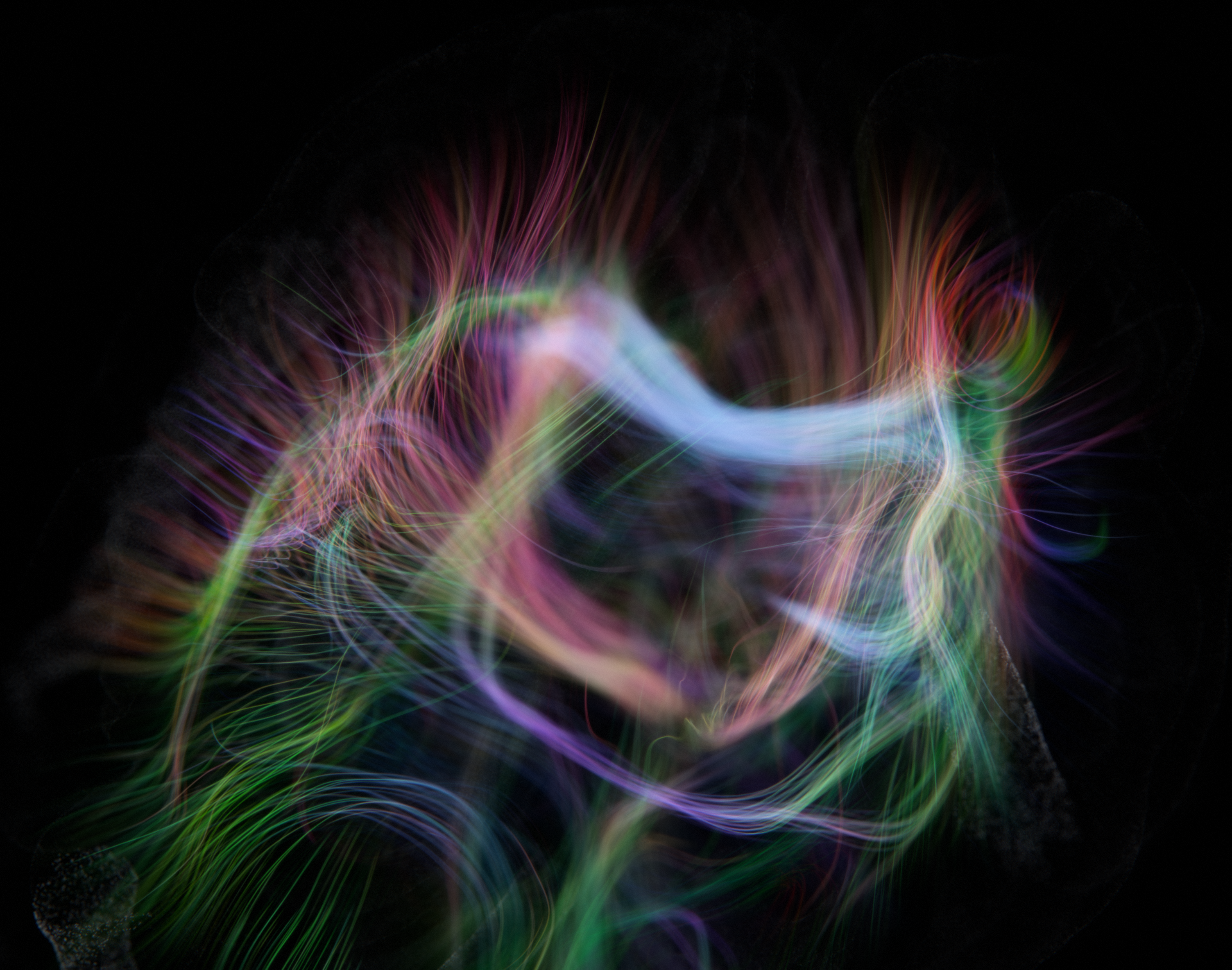
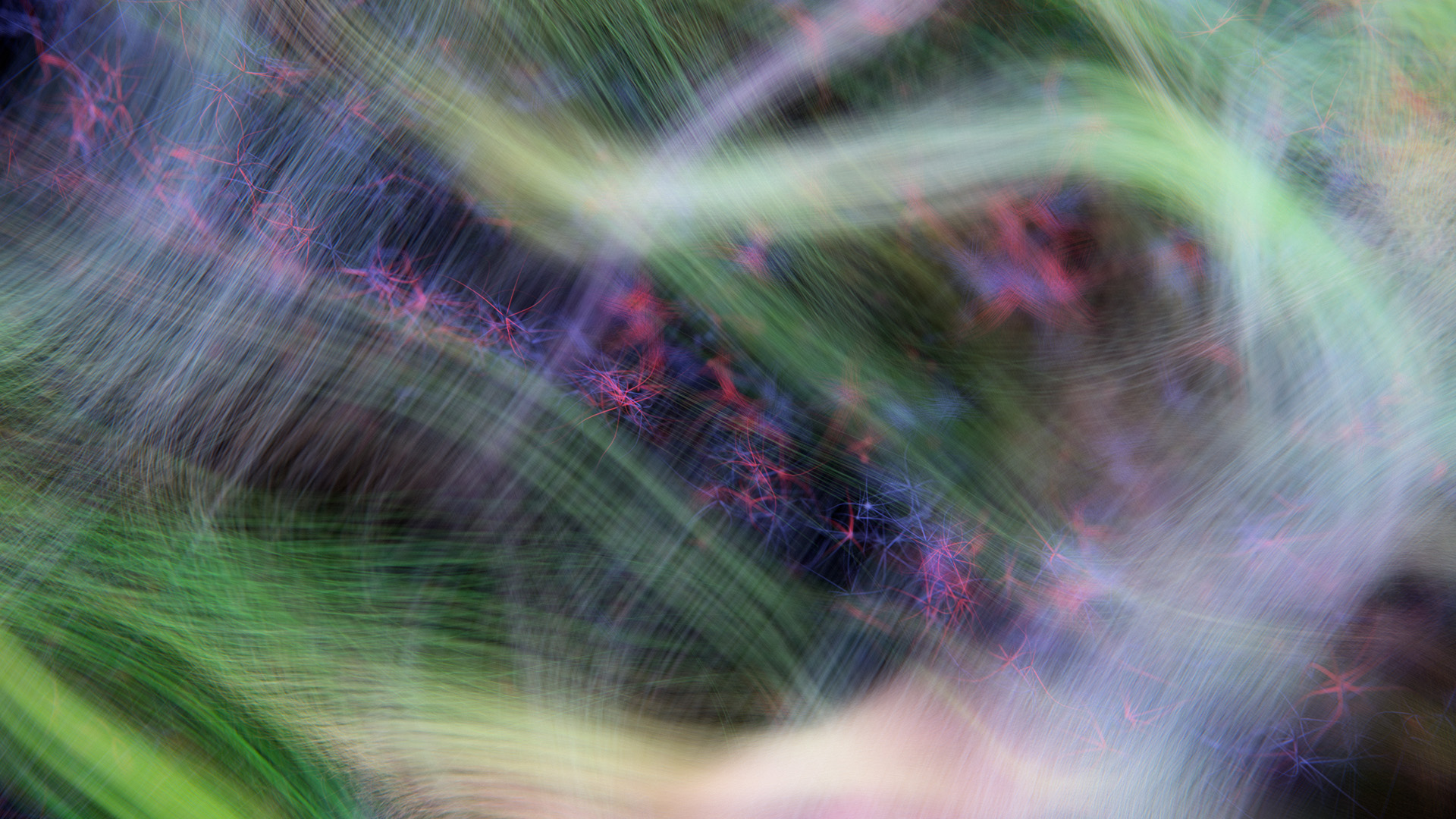
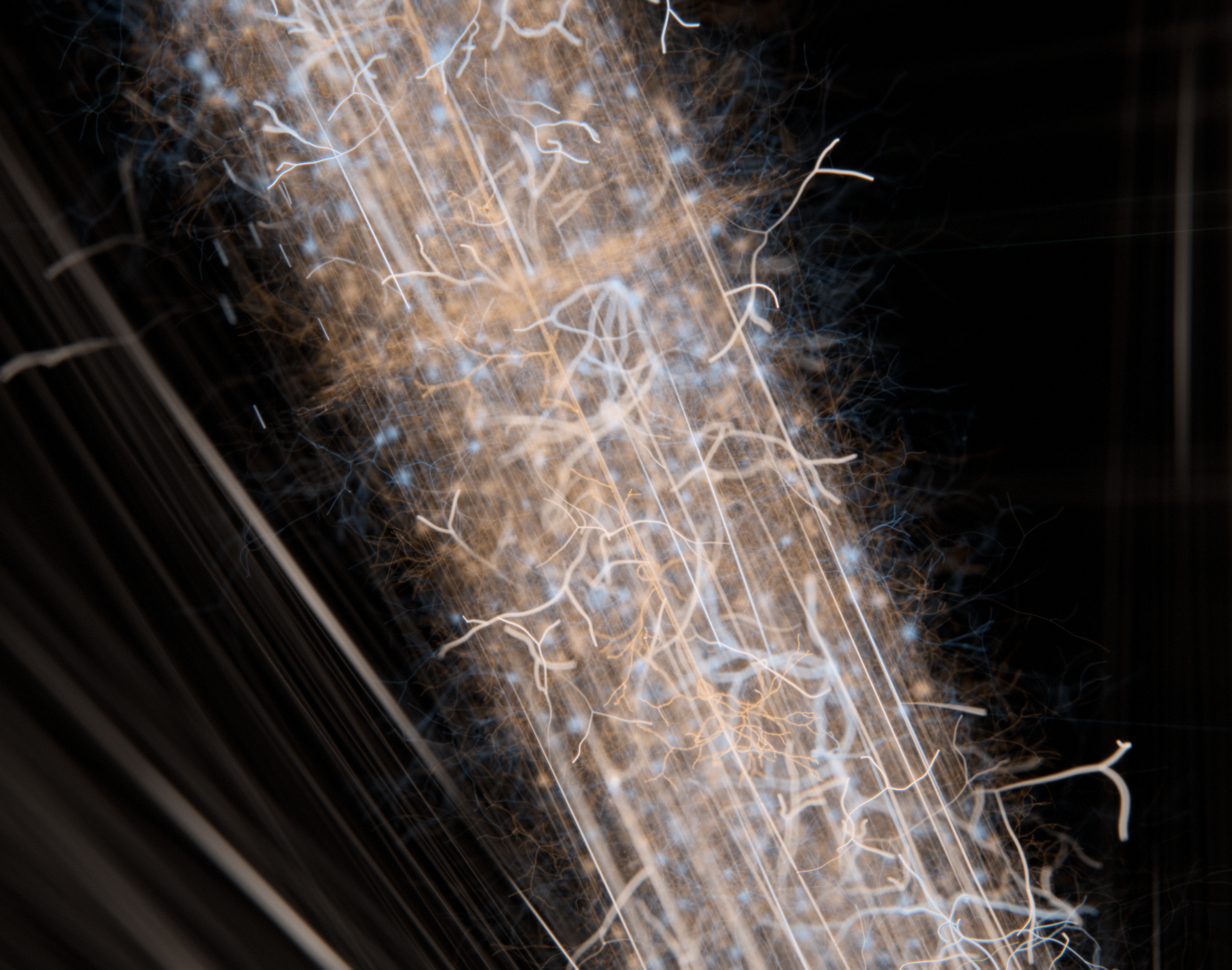
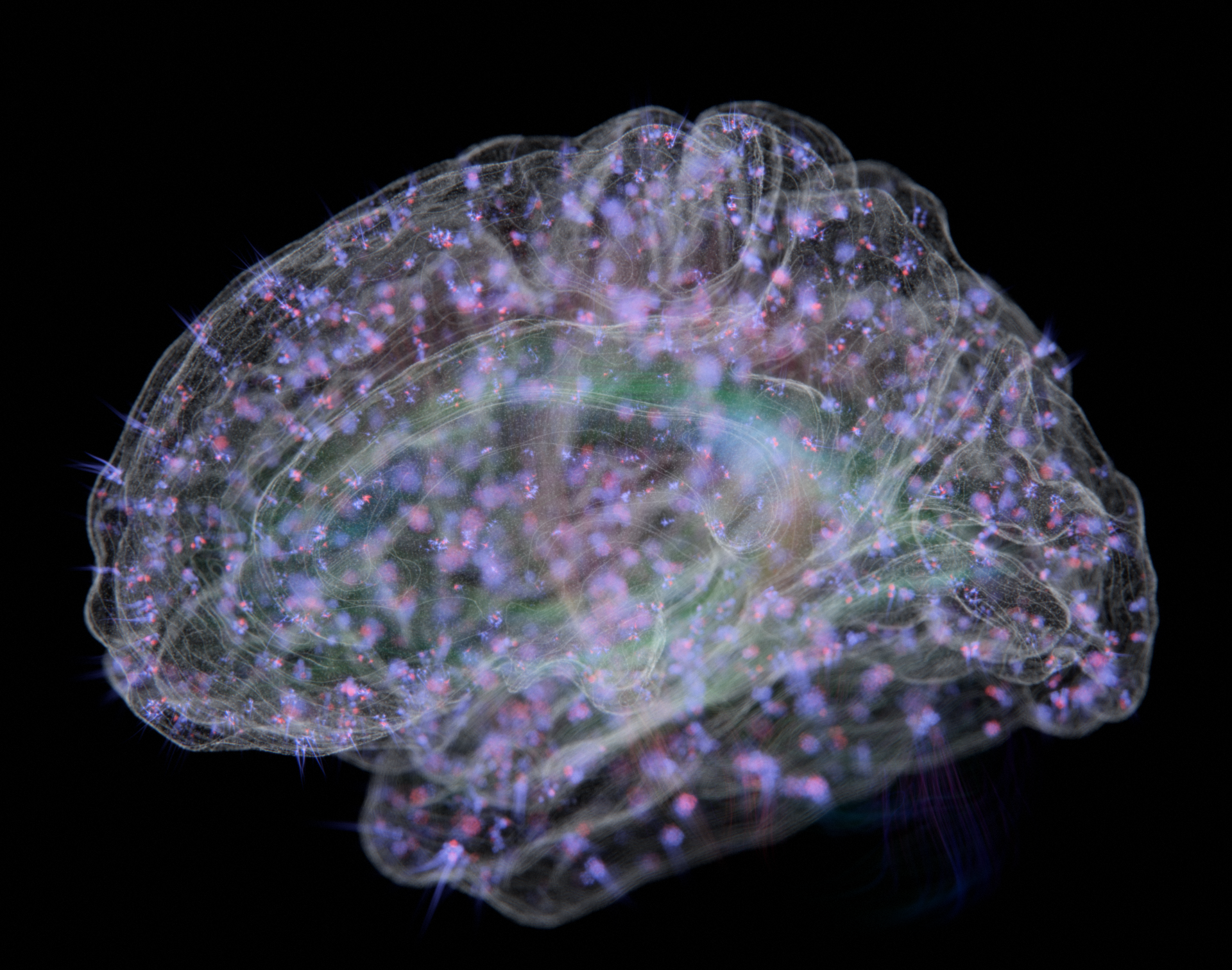
Tidal Mind is an audiovisual composition about a mind that rises and falls. Moving through recurring tides of sleep, rest, focus and activity, it dives from the whole brain at low tide to a single synapse at the crest, as anatomy drifts into imagined forms and back. It offers a fluid view of the mind, where no state is fixed and every surge recedes.
mit museum / brain
Why tides
People have long described the mind as tidal. Moods, energy and thought are not fixed. They rise and fall like the sea, and the hard seasons recede just as they come in. Tidal Mind starts from this old intuition and finds that neuroscience now gives it a literal side.
mit museum / brain
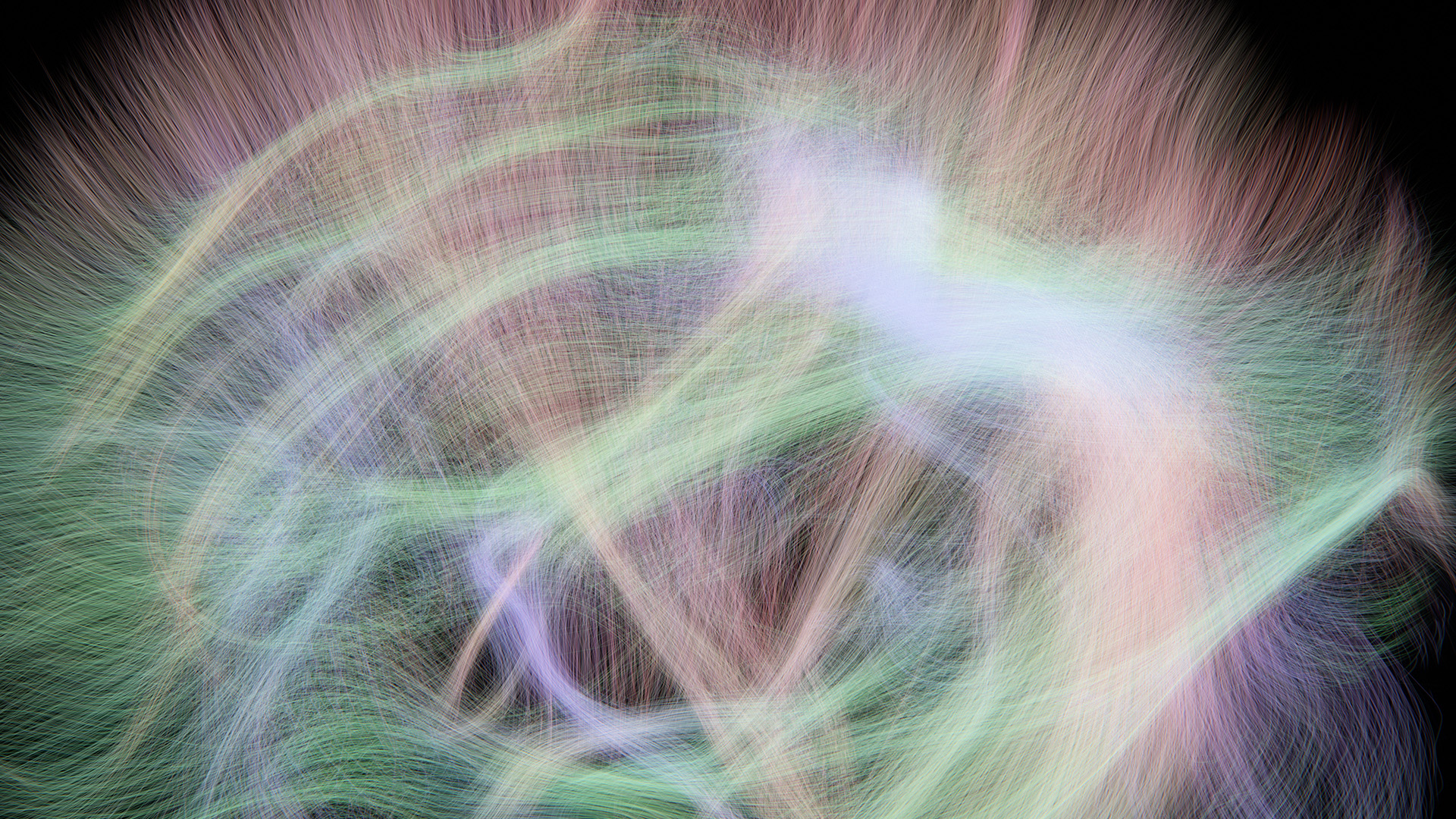
During sleep, slow pulses of cerebrospinal fluid move through the brain, a nightly tide that helps clear what builds up during the day. Recent research at MIT found that when we go without sleep, these pulses break into waking hours: fluid flows out of the brain as attention lapses, and flows back as attention returns. Awake, thought itself seems to be organized by waves. Rhythms of electrical activity sweep across the cortex, gathering groups of neurons for a task and then releasing them. The tide is both a metaphor for the mind and part of how the brain works.
mit museum / brain
Why now
We live under steady pressure to stay switched on. Work, screens and notifications ask us to hold focus longer and switch states faster, while rest is treated as lost time and every dip in attention as a failure. Tidal Mind proposes another view: focus and rest are two phases of the same movement, and the ebb is as necessary as the flood.
mit museum / brain
This view also reaches into how we think about difference and distress. In mental health care, the Tidal Model developed by Phil Barker and Poppy Buchanan-Barker treats a person’s experience as fluid, a state they move through, not a fixed defect.
Minds also move to different rhythms. In some people focus surges and falls more sharply, while others need longer at low tide. A tidal view leaves room for that range without ranking it, which touches one of the theme’s central questions: where a difference in ability ends and a diagnosis begins.
Minds also move to different rhythms. In some people focus surges and falls more sharply, while others need longer at low tide. A tidal view leaves room for that range without ranking it, which touches one of the theme’s central questions: where a difference in ability ends and a diagnosis begins.
mit museum / brain
Structure
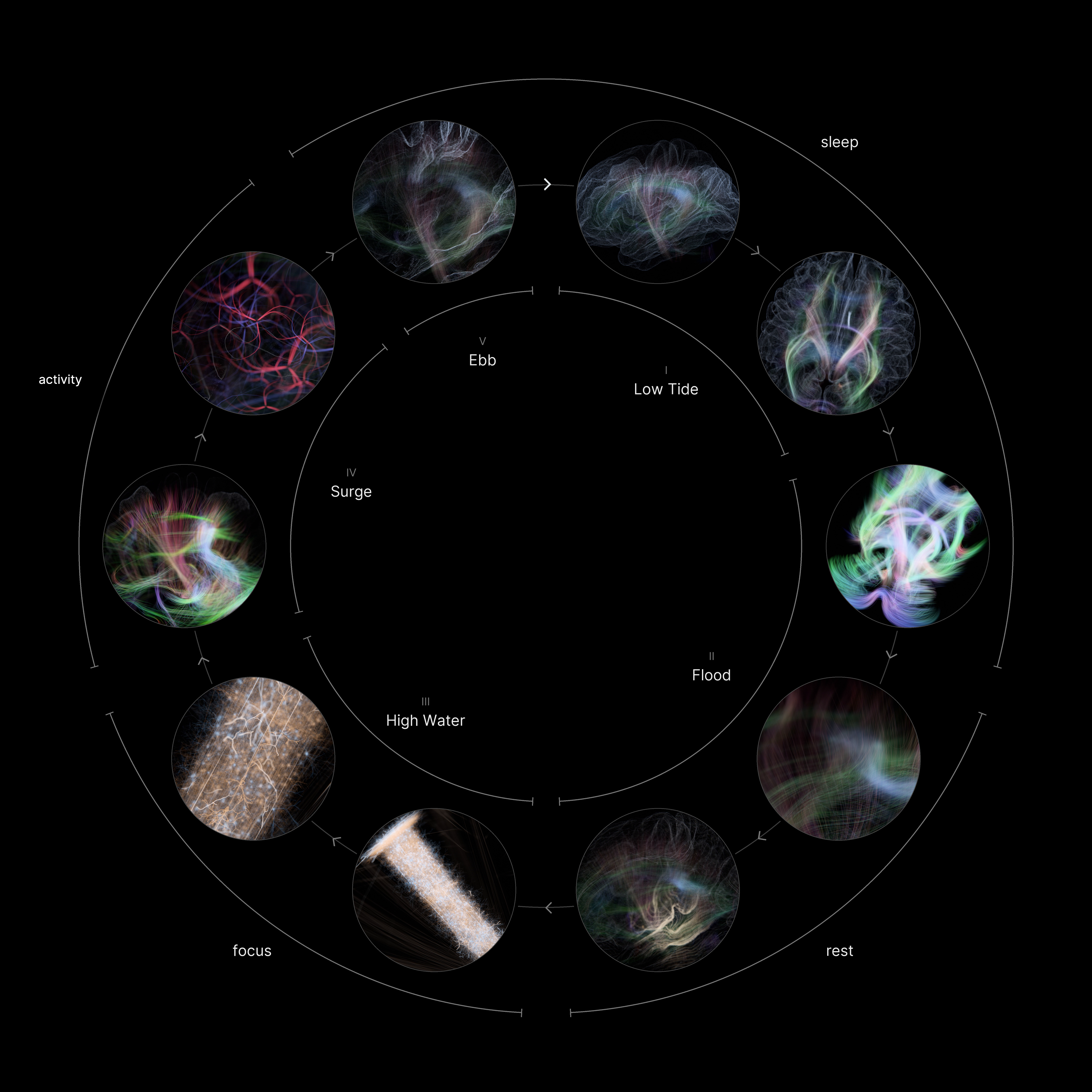
The composition unfolds as a series of cycles through five phases, named after the movements of the tide. Scale follows attention: the view is widest and dimmest in sleep and dives deepest at the peak of activity. Each cycle reaches a different depth and takes a slightly different path, so the piece never reads as a single repeated sequence. A quiet score sets the pacing of each dive and visitors can arrive and leave at any moment.
mit museum / brain
I. Low Tide (Sleep)
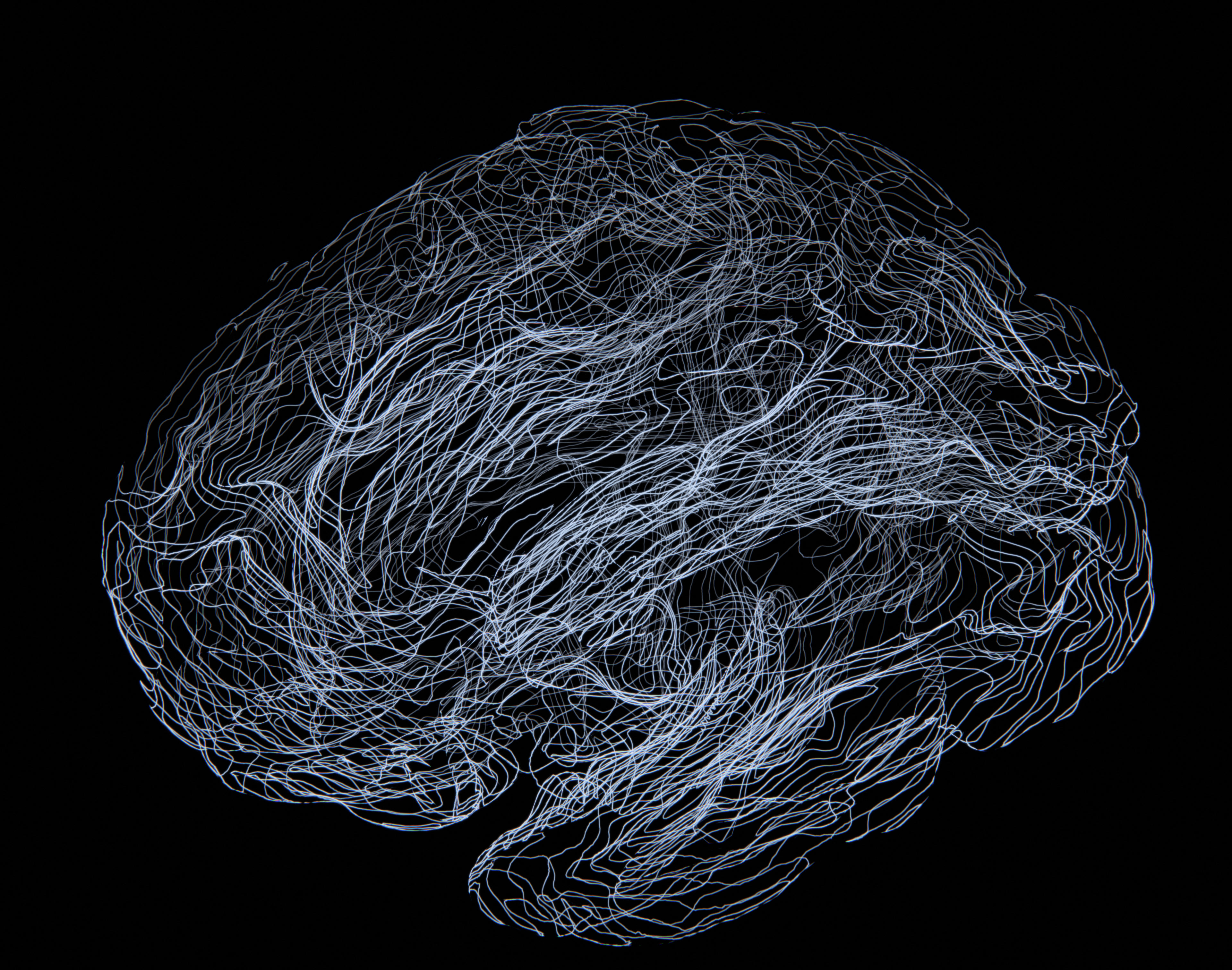
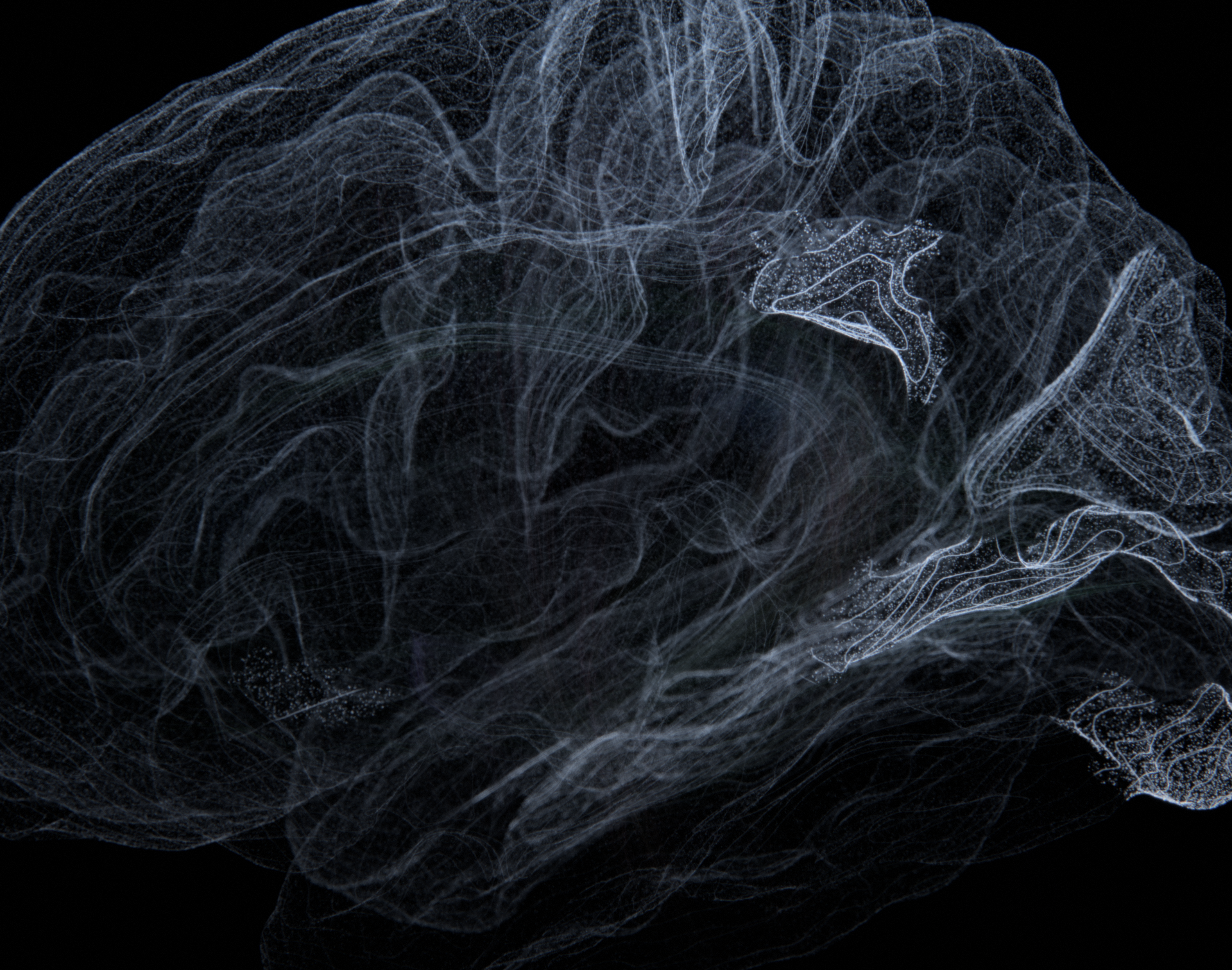
The brain is seen whole and from a distance, in low light. Slow pulses of fluid pass through it, washing the image clean. The forms are soft and never hold their shape for long, yet they are the most anatomical in the piece: the brain as we can measure it, at its quietest and most essential work.
mit museum / brain
III. High Water (Focus)
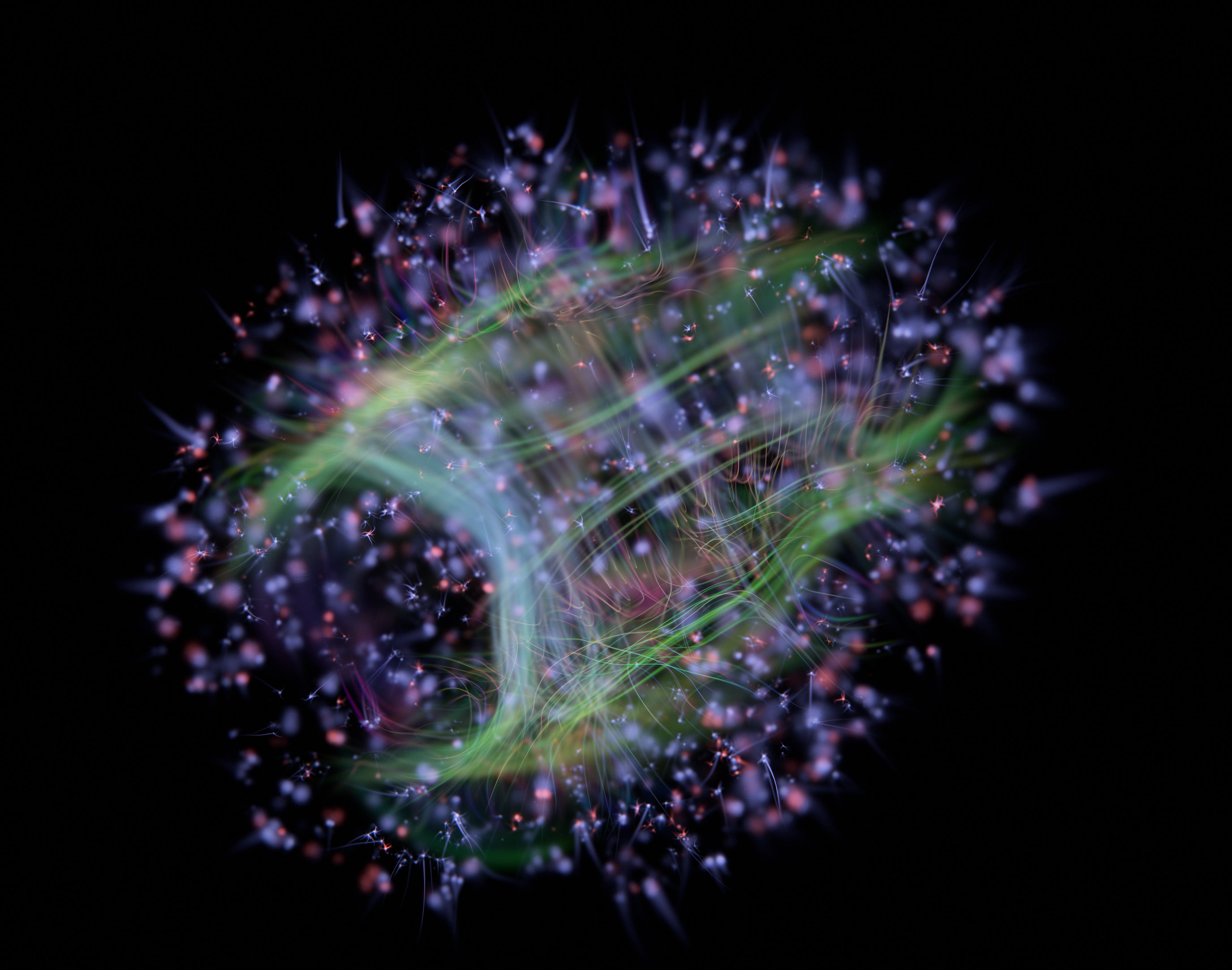
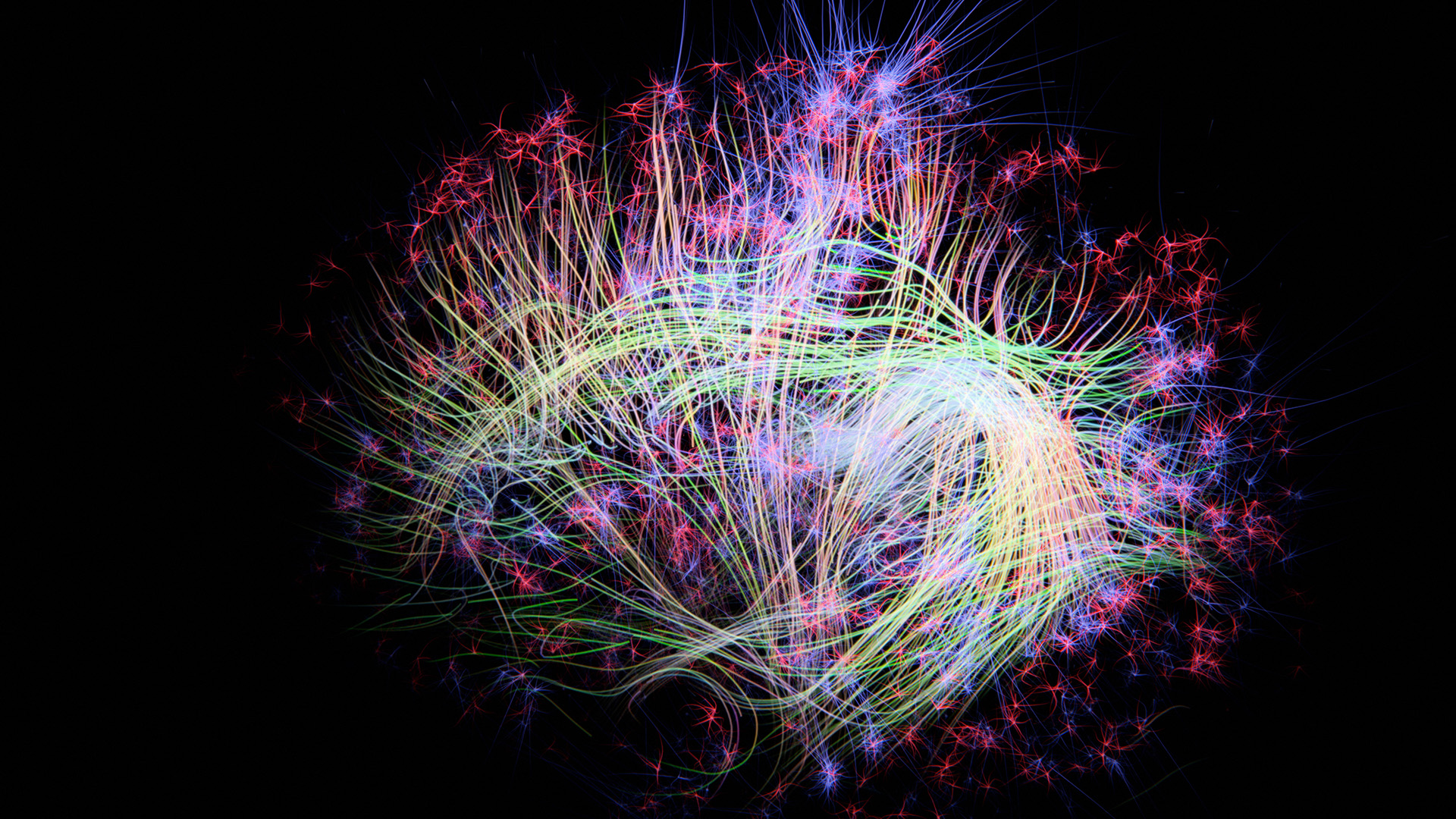
Attention narrows and the view narrows with it. Waves hold patches of tissue together as working ensembles, briefly and with purpose, then release them. The dive moves deeper through layers of neurons, and the line between observed and imagined structure grows thinner.
mit museum / brain
V. Ebb (Return)
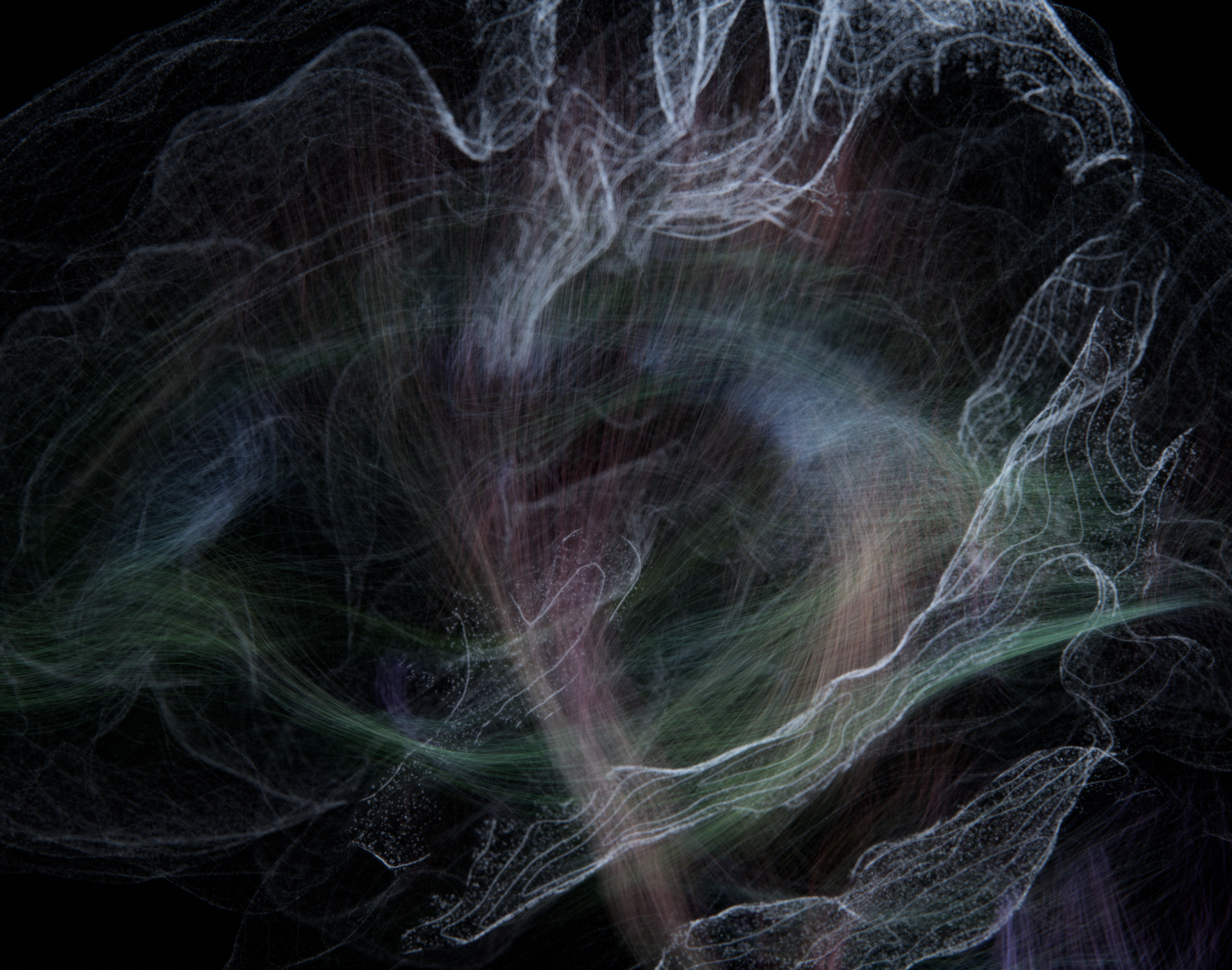
The structure loosens and dissolves outward. The view widens, the light falls, and invented forms settle back into anatomy as the brain returns to low tide. The surge recedes, as surges do, and the cycle begins again.

mit museum / brain
Notes
The work is informed by publicly reported research at MIT, including studies on brain waves and cognition at the Picower Institute for Learning and Memory, on sleep and cerebrospinal fluid dynamics in Laura Lewis’s lab at the Institute for Medical Engineering and Science, and on large-scale imaging of neural tissue at the McGovern Institute for Brain Research and the Picower Institute. It also draws on the Tidal Model of mental health recovery developed by Phil Barker and Poppy Buchanan-Barker. All imagery and sound are created by the artist.
No hardware modifications are required. Tidal Mind is delivered as a seamless video at the screen’s native 3840 x 3024 resolution, in a codec agreed with the museum’s team for playback on the existing Windows PC. The audio is minimal and meditative, meant to sit quietly within the space.
No hardware modifications are required. Tidal Mind is delivered as a seamless video at the screen’s native 3840 x 3024 resolution, in a codec agreed with the museum’s team for playback on the existing Windows PC. The audio is minimal and meditative, meant to sit quietly within the space.